LINEAGE & RENEWAL MUSIC
LINEAGE & RENEWAL MUSIC
LINEAGE & RENEWAL MUSIC
LINEAGE & RENEWAL MUSIC
YOSSI
KARUTCHI
YOSSI
KARUTCHI
YOSSI
KARUTCHI
YOSSI
KARUTCHI
Uddannet fra Det Jyske Musikkonservatorium.
Medstifter af trioen Hudna sammen med Orhan og guitarist Søren Bigum (Peter Sommer, Jonah Blacksmith). Hudna modtog tre priser ved DMA World, optrådte på store scener som Roskilde Festival, SPOT, Tønder Festival, Aarhus og Copenhagen Jazz Festival og turnerede i Tyrkiet og Europa.
Karutchis vision med ÆT er at bevare den nordiske essens i musikken, samtidig med at han tilfører nye dimensioner, der beriger uden at forandre dens kerne – og åbner den danske tradition for omverdenen.
Uddannet fra Det Jyske Musikkonservatorium.
Medstifter af trioen Hudna sammen med Orhan og guitarist Søren Bigum (Peter Sommer, Jonah Blacksmith). Hudna modtog tre priser ved DMA World, optrådte på store scener som Roskilde Festival, SPOT, Tønder Festival, Aarhus og Copenhagen Jazz Festival og turnerede i Tyrkiet og Europa.
Karutchis vision med ÆT er at bevare den nordiske essens i musikken, samtidig med at han tilfører nye dimensioner, der beriger uden at forandre dens kerne – og åbner den danske tradition for omverdenen.
Uddannet fra Det Jyske Musikkonservatorium.
Medstifter af trioen Hudna sammen med Orhan og guitarist Søren Bigum (Peter Sommer, Jonah Blacksmith). Hudna modtog tre priser ved DMA World, optrådte på store scener som Roskilde Festival, SPOT, Tønder Festival, Aarhus og Copenhagen Jazz Festival og turnerede i Tyrkiet og Europa.
Karutchis vision med ÆT er at bevare den nordiske essens i musikken, samtidig med at han tilfører nye dimensioner, der beriger uden at forandre dens kerne – og åbner den danske tradition for omverdenen.
Uddannet fra Det Jyske Musikkonservatorium.
Medstifter af trioen Hudna sammen med Orhan og guitarist Søren Bigum (Peter Sommer, Jonah Blacksmith). Hudna modtog tre priser ved DMA World, optrådte på store scener som Roskilde Festival, SPOT, Tønder Festival, Aarhus og Copenhagen Jazz Festival og turnerede i Tyrkiet og Europa.
Karutchis vision med ÆT er at bevare den nordiske essens i musikken, samtidig med at han tilfører nye dimensioner, der beriger uden at forandre dens kerne – og åbner den danske tradition for omverdenen.
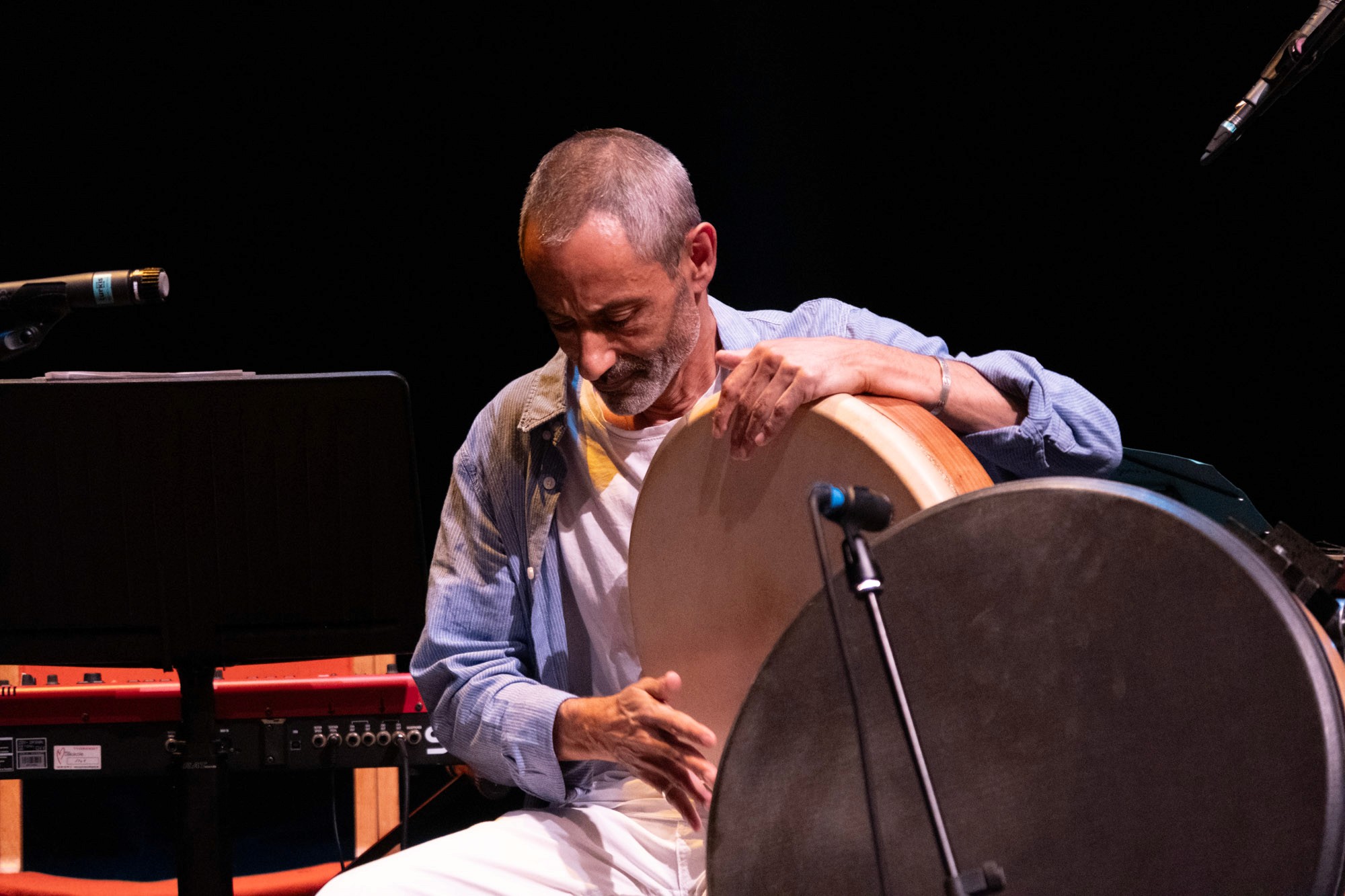
ÆT er et musikalsk møde mellem to kulturelle og æstetiske verdener: den nordiske og den mellemøstlige.
Med ny energi og friskhed kaster ÆT lys over den danske sangtradition, idet deres arrangementer trækker på arabiske og mellemøstlige musiktraditioner – hvor harmonier og akkorder spiller en mindre rolle end i den vestlige musik, og hvor komplekse melodier og rige, lagdelte rytmer i stedet træder frem.
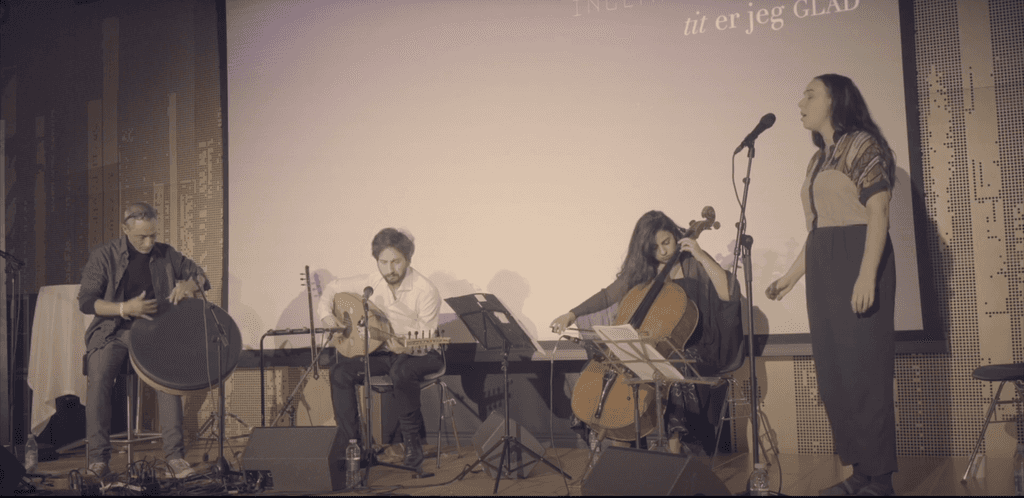
Traditionelle instrumenter som oud, baglama og håndpercussion flettes sammen med det danske sprog og melodierne og giver dem en ny udtryksdybde og en unik, kulturelt krydsende stemme.
ÆT er et musikalsk møde mellem to kulturelle og æstetiske verdener: den nordiske og den mellemøstlige.
Med ny energi og friskhed kaster ÆT lys over den danske sangtradition, idet deres arrangementer trækker på arabiske og mellemøstlige musiktraditioner – hvor harmonier og akkorder spiller en mindre rolle end i den vestlige musik, og hvor komplekse melodier og rige, lagdelte rytmer i stedet træder frem.
Traditionelle instrumenter som oud, baglama og håndpercussion flettes sammen med det danske sprog og melodierne og giver dem en ny udtryksdybde og en unik, kulturelt krydsende stemme.
ÆT er et musikalsk møde mellem to kulturelle og æstetiske verdener: den nordiske og den mellemøstlige.
Med ny energi og friskhed kaster ÆT lys over den danske sangtradition, idet deres arrangementer trækker på arabiske og mellemøstlige musiktraditioner – hvor harmonier og akkorder spiller en mindre rolle end i den vestlige musik, og hvor komplekse melodier og rige, lagdelte rytmer i stedet træder frem.
Traditionelle instrumenter som oud, baglama og håndpercussion flettes sammen med det danske sprog og melodierne og giver dem en ny udtryksdybde og en unik, kulturelt krydsende stemme.
ÆT er et musikalsk møde mellem to kulturelle og æstetiske verdener: den nordiske og den mellemøstlige.
Med ny energi og friskhed kaster ÆT lys over den danske sangtradition, idet deres arrangementer trækker på arabiske og mellemøstlige musiktraditioner – hvor harmonier og akkorder spiller en mindre rolle end i den vestlige musik, og hvor komplekse melodier og rige, lagdelte rytmer i stedet træder frem.
Traditionelle instrumenter som oud, baglama og håndpercussion flettes sammen med det danske sprog og melodierne og giver dem en ny udtryksdybde og en unik, kulturelt krydsende stemme.
ÆT is a musical meeting between two cultural and aesthetic worlds: the Nordic and the Middle Eastern.
Breathing fresh light into the Danish song heritage, ÆT’s arrangements draw on Arabic and Middle Eastern traditions—where harmonies and chords play a lesser role than in Western music, giving way to intricate melodies and rich, layered rhythms.
Traditional instruments such as the oud, baglama, and hand percussion weave into the Danish language and melodies, granting them a new expressive depth and a unique cross-cultural voice.
ÆT is a musical meeting between two cultural and aesthetic worlds: the Nordic and the Middle Eastern.
Breathing fresh light into the Danish song heritage, ÆT’s arrangements draw on Arabic and Middle Eastern traditions—where harmonies and chords play a lesser role than in Western music, giving way to intricate melodies and rich, layered rhythms.
Traditional instruments such as the oud, baglama, and hand percussion weave into the Danish language and melodies, granting them a new expressive depth and a unique cross-cultural voice.
ÆT is a musical meeting between two cultural and aesthetic worlds: the Nordic and the Middle Eastern.
Breathing fresh light into the Danish song heritage, ÆT’s arrangements draw on Arabic and Middle Eastern traditions—where harmonies and chords play a lesser role than in Western music, giving way to intricate melodies and rich, layered rhythms.
Traditional instruments such as the oud, baglama, and hand percussion weave into the Danish language and melodies, granting them a new expressive depth and a unique cross-cultural voice.
ÆT is a musical meeting between two cultural and aesthetic worlds: the Nordic and the Middle Eastern.
Breathing fresh light into the Danish song heritage, ÆT’s arrangements draw on Arabic and Middle Eastern traditions—where harmonies and chords play a lesser role than in Western music, giving way to intricate melodies and rich, layered rhythms.
Traditional instruments such as the oud, baglama, and hand percussion weave into the Danish language and melodies, granting them a new expressive depth and a unique cross-cultural voice.
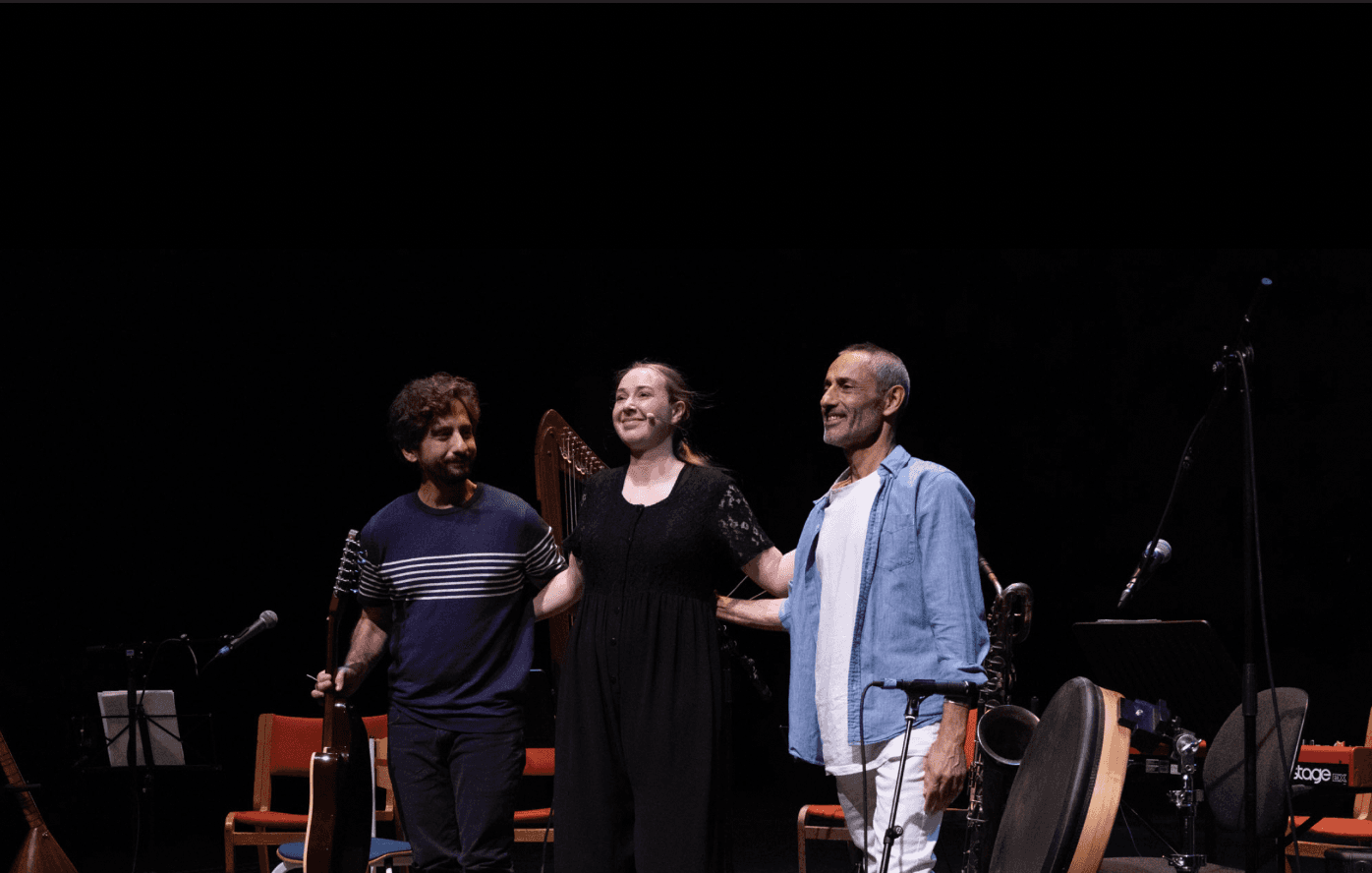
CULTURE GROWS THROUGH ENCOUNTER
CULTURE GROWS THROUGH ENCOUNTER
CULTURE GROWS THROUGH ENCOUNTER
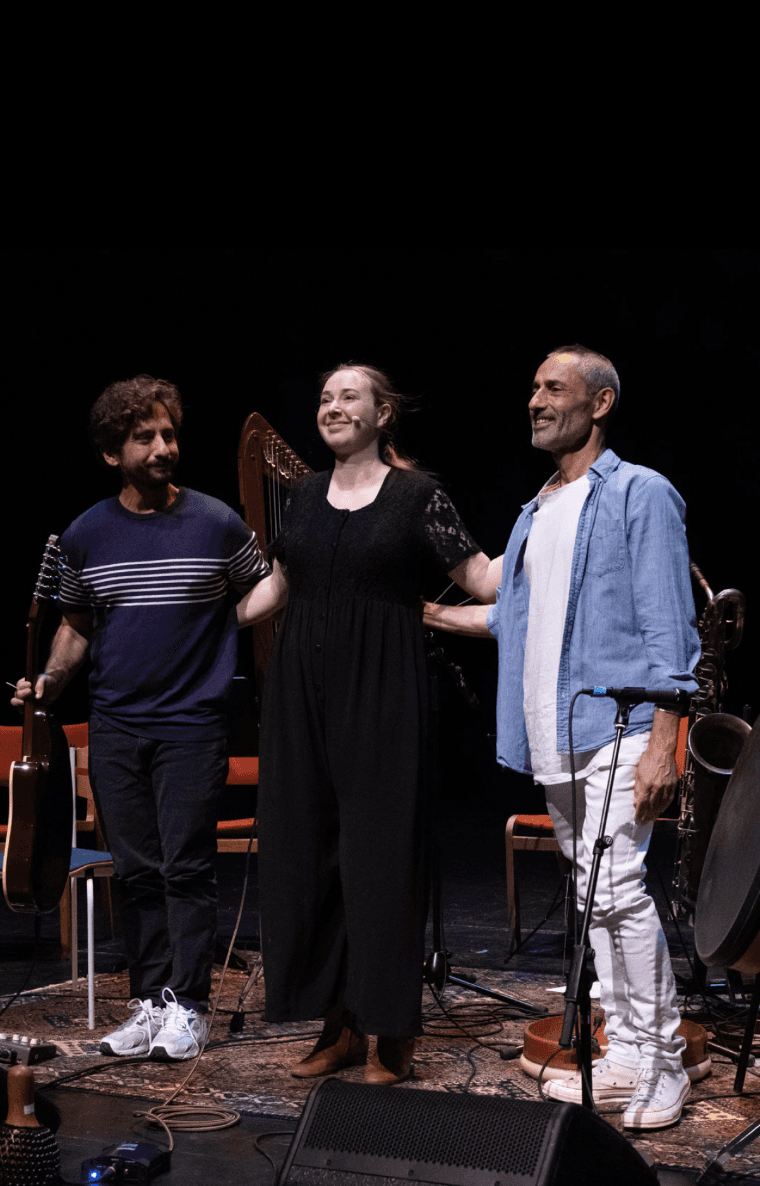
CULTURE GROWS THROUGH ENCOUNTER
The Nordic + The Middle East = ÆT
The Nordic + The Middle East = ÆT
The Nordic + The Middle East = ÆT
The Nordic + The Middle East = ÆT
Connect to Content
Add layers or components to infinitely loop on your page.
MELODY AS
A MEETING
POINT
MELODY AS
A MEETING
POINT
MELODY AS
A MEETING
POINT
MELODY AS
A MEETING
POINT
ÆT casts a fresh and thought-provoking light on the Danish song heritage. Familiar songs such as “Jeg gik mig ud en sommerdag” and “Sov Sødt Barnlille” are given new life through new arrangements, clearly emphasizing that musical heritage should not be left behind.
These new arrangements draw on Arabic and Middle Eastern musical traditions, where harmonies and chords do not play as central a role as they do in Western music. Instead, they are based on melody and rhythm, creating a musical expression that is at once recognizable, surprising, and inspiring. By removing the harmony and drawing from the Middle Eastern tradition, the Danish melody takes on a different character than when performed with harmonies – the melody and text gains a new expressive quality.
ÆT casts a fresh and thought-provoking light on the Danish song heritage. Familiar songs such as “Jeg gik mig ud en sommerdag” and “Sov Sødt Barnlille” are given new life through new arrangements, clearly emphasizing that musical heritage should not be left behind.
These new arrangements draw on Arabic and Middle Eastern musical traditions, where harmonies and chords do not play as central a role as they do in Western music. Instead, they are based on melody and rhythm, creating a musical expression that is at once recognizable, surprising, and inspiring. By removing the harmony and drawing from the Middle Eastern tradition, the Danish melody takes on a different character than when performed with harmonies – the melody and text gains a new expressive quality.
ÆT casts a fresh and thought-provoking light on the Danish song heritage. Familiar songs such as “Jeg gik mig ud en sommerdag” and “Sov Sødt Barnlille” are given new life through new arrangements, clearly emphasizing that musical heritage should not be left behind.
These new arrangements draw on Arabic and Middle Eastern musical traditions, where harmonies and chords do not play as central a role as they do in Western music. Instead, they are based on melody and rhythm, creating a musical expression that is at once recognizable, surprising, and inspiring. By removing the harmony and drawing from the Middle Eastern tradition, the Danish melody takes on a different character than when performed with harmonies – the melody and text gains a new expressive quality.
ÆT casts a fresh and thought-provoking light on the Danish song heritage. Familiar songs such as “Jeg gik mig ud en sommerdag” and “Sov Sødt Barnlille” are given new life through new arrangements, clearly emphasizing that musical heritage should not be left behind.
These new arrangements draw on Arabic and Middle Eastern musical traditions, where harmonies and chords do not play as central a role as they do in Western music. Instead, they are based on melody and rhythm, creating a musical expression that is at once recognizable, surprising, and inspiring. By removing the harmony and drawing from the Middle Eastern tradition, the Danish melody takes on a different character than when performed with harmonies – the melody and text gains a new expressive quality.
Listeners are invited to revisit their own musical heritage from an external perspective — like tourists in their own culture — and open up a space for fresh and creative exploration, where familiar material takes on new expressive qualities.
The importance of experiencing your culture from an outsider’s perspective.
“The notion of an outsider’s perspective in human-centered design and design research carries many advantages that can lead to more innovative, inclusive, and impactful outcomes”.
Listeners are invited to revisit their own musical heritage from an external perspective — like tourists in their own culture — and open up a space for fresh and creative exploration, where familiar material takes on new expressive qualities.
The importance of experiencing your culture from an outsider’s perspective.
“The notion of an outsider’s perspective in human-centered design and design research carries many advantages that can lead to more innovative, inclusive, and impactful outcomes”.
Listeners are invited to revisit their own musical heritage from an external perspective — like tourists in their own culture — and open up a space for fresh and creative exploration, where familiar material takes on new expressive qualities.
The importance of experiencing your culture from an outsider’s perspective.
“The notion of an outsider’s perspective in human-centered design and design research carries many advantages that can lead to more innovative, inclusive, and impactful outcomes”.
Listeners are invited to revisit their own musical heritage from an external perspective — like tourists in their own culture — and open up a space for fresh and creative exploration, where familiar material takes on new expressive qualities.
The importance of experiencing your culture from an outsider’s perspective.
“The notion of an outsider’s perspective in human-centered design and design research carries many advantages that can lead to more innovative, inclusive, and impactful outcomes”.
FIND US
ON YOUTUBE
FIND US
ON YOUTUBE
FIND US
ON YOUTUBE
FIND US
ON YOUTUBE
CONTACT
CONTACT
CONTACT
TEL.: +45 55555555
TEL.: +45 55555555
TEL.: +45 55555555
TEL.: +45 55555555
Available for booking!
Available for booking!
Available for booking!
Available for booking!